

A guide to mechanical keyboard switches
A guide to mechanical keyboard switches

A few years agone, a "gaming keyboard" consisted of a regular old membrane keyboard with a few fancy lights slapped on information technology for expert measure. Now, mechanical keyboards are all the rage. Gamers take come to appreciate the responsiveness, durability and versatility that only mechanical switches can offer.
Withal, having more than options on the market as well ways more potential for confusion. How many different kinds of mechanical switches are there, and what are the differences among them? Which brands should you lot wait at? Consult this handy guide to find out.
Why buy mechanical?
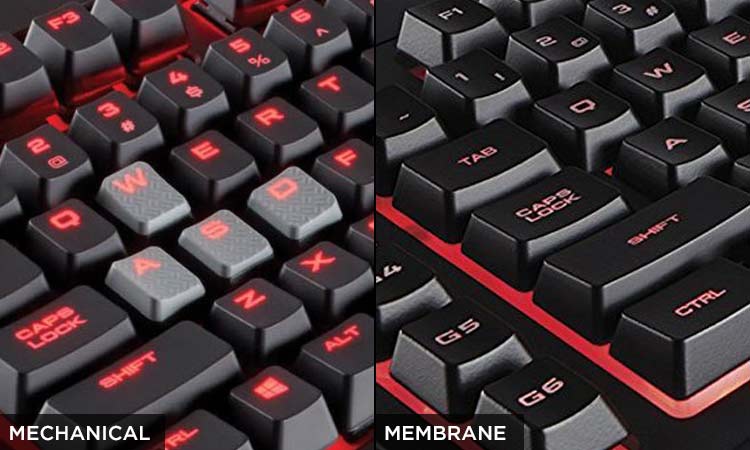
Just in case you're one of the few holdouts who insist that a membrane keyboard is just fine, and y'all'd rather not spend and then much money on your keyboard, have a few minutes to read our guide to mechanical keyboards. The short version: Membrane keyboards work by sending an electrical signal between two plastic membranes.
Mechanical keyboards, on the other hand, work via a discrete switch underneath each primal cap, similar at typewriter has. This makes the keyboard not only more rugged and less prone to failure, merely also more responsive and comfortable. If you're a PC gamer or accomplished typist and you lot don't ain a mechanical keyboard, getting ane could change your life in a small but significant mode.
How much practice mechanical keyboards cost?
If yous're not picky nigh make names, you could get a mechanical keyboard for every bit little equally $60 — or even less, if you lot're willing to settle for an older model. If you lot go with a well-known make, though, tenkeyless mechanical keyboards first at around $80, total-size keyboards cost around $110, while total-size keyboards with RGB lighting can range upwardly to $180.
Linear vs. Tactile
Two words you'll need to know in club to go the most out of this guide are "linear" and "tactile." Nearly every mechanical switch is one or the other, and the deviation betwixt the ii types is easy to understand. To activate a linear switch, you must push it all the way down, similar a membrane primal. To actuate a tactile switch, y'all normally push it about halfway down; you can proceed pressing the key after that, only you can as well take your finger off and move to the next key correct away.
Some aficionados argue that linear switches are better for gaming, while tactile switches are better for typing. I have no detail feelings on this debate, having successfully used both linear and tactile switches for both purposes.
Scarlet MX
Crimson MX switches are the gold standard for mechanical keyboards. If a manufacturer doesn't use authentic Cherry switches, yous can bet that the company will practise its best to imitate them. There'due south no single magical quality that makes Cherries so comfortable and responsive — but practiced, erstwhile-fashioned German language applied science and versatility.
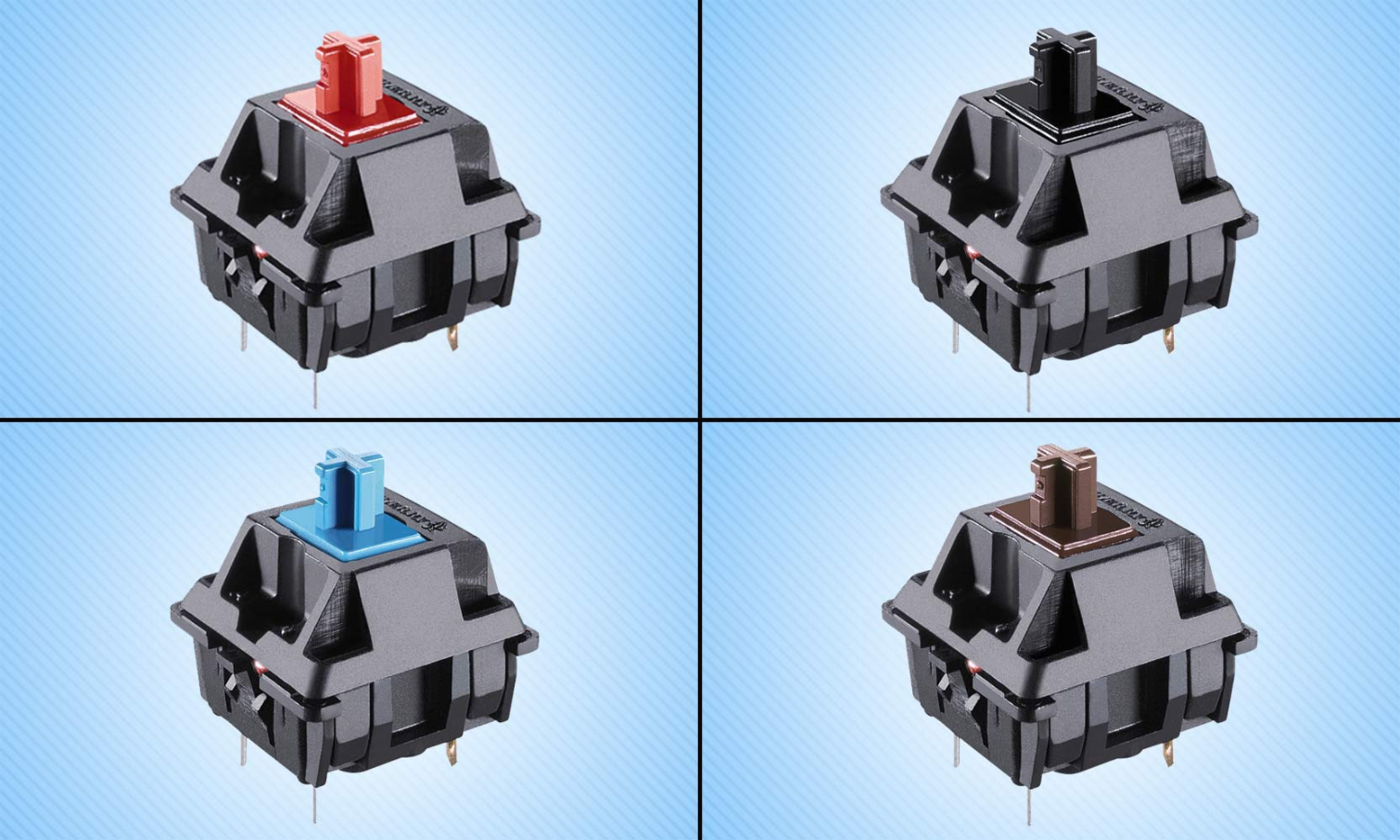
Cherries come in a variety of colors, but these are the chief ones you'll see:
Ruby-red MX Reds are some of the well-nigh widespread switches out there, and for skilful reason. These linear switches require 45 grams of force to actuate. The calorie-free touch makes them a proficient choice for both gaming and typing. The keys are also very quiet, especially the MX Ruby Silent variant, which makes them good for office environments or crowded houses.
Cherry MX Blacks are linear switches that are very similar to Reds, salve that they require 60 grand of forcefulness to actuate. They feel a little more resistant than Reds, and are also available in a Silent variant.
Ruby MX Browns are some of the most pop switches in gaming keyboards. Browns are tactile switches that require 45 g of force to actuate. They don't make much sound, and leap back very apace after actuation.
Cherry MX Blues are "clicky" switches, meaning they make audible clicking noises every time y'all depress them, like typewriters of onetime. Some users find the dissonance gratifying; others detect information technology insufferable. You won't know until you attempt. Scarlet MX Blues require 50 g of actuation force.
Cherry-red MX Speed or Silver switches are congenital with gamers in mind. Like Reds, Crimson MX Speeds are linear switches that crave 45 g of actuation force. Unlike Reds, though, they travel merely i.two mm rather than the standard 2 mm. This theoretically lets gamers pound keys faster — helpful in genres like MOBA (League of Legends, Dota two) and MMO (World of Warcraft, Star Wars: The Old Commonwealth), where skills are constantly refreshing.
In that location are other types of Cherry keys out there, like the actress-clicky Greens and the resistant Clears, simply those varieties are not as common as the ones listed to a higher place.
Razer
Ever since 2014, Razer has produced mechanical switches for its keyboards in-business firm. The resulting switches are responsive, comfortable and arguably more durable than Cherry keys. In my tests, they've always fallen merely a fleck short of authentic Cherry MX switches, but they're still a far sight improve than Razer'due south old membrane models.
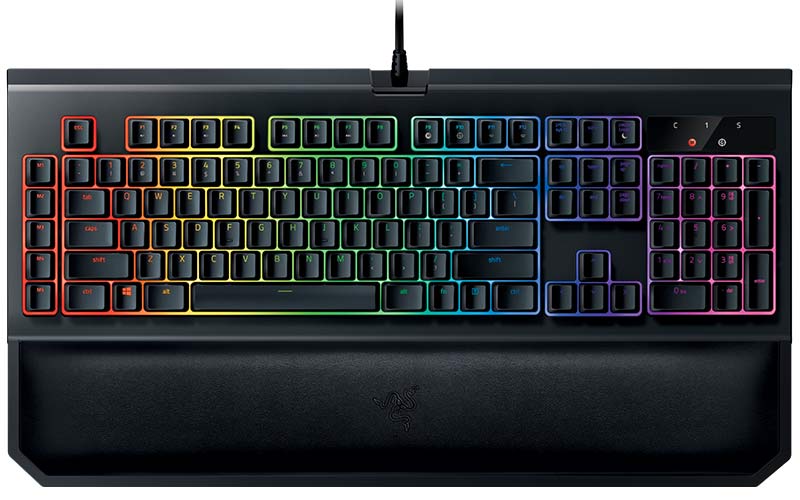
Razer Green switches are the company's answer to clicky, tactile keys similar the Scarlet MX Blues. Razer Greens activate at fifty m and brand rapid-fire typewriter sounds as you tap.
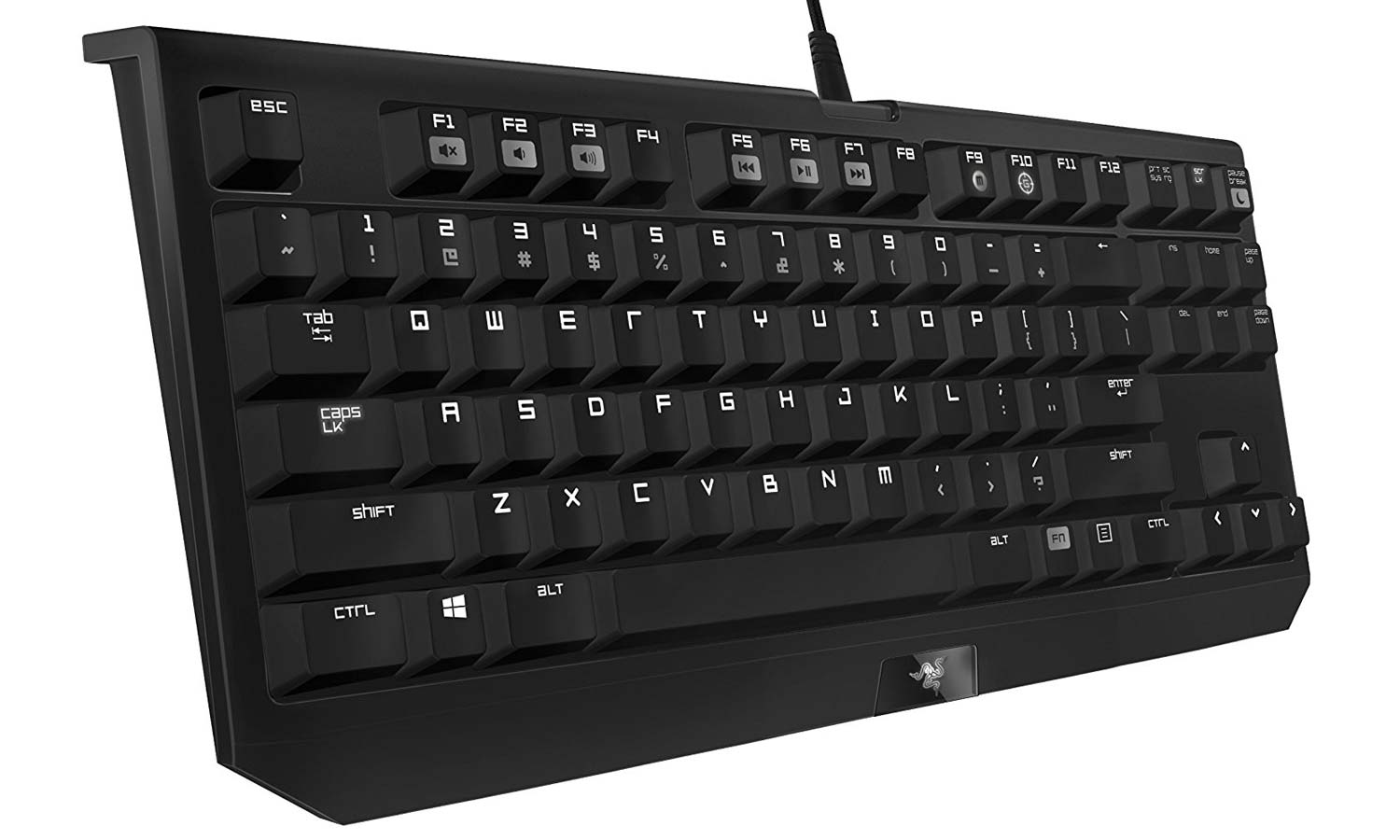
Razer Orange switches are a quieter alternative to the Greens, with a slightly lower actuation force of 45 g. Orange switches are tactile, but barely make whatever sound, making them better-suited to office environments or homes with light sleepers.
Razer Yellowish switches target FPS gamers primarily. Unlike the Light-green and Orange switches, Razer Yellows are linear. They crave 45 thousand of actuation force. Razer says the lack of a tactile crash-land will make Yellows more bonny to gamers who need to hit keys forcefully and frequently.
Logitech Switches
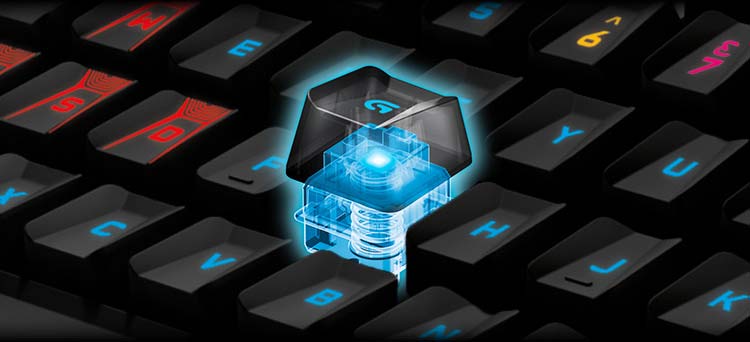
Logitech engineered its proprietary Romer-Gs from scratch to provide fundamental switches that would do good gamers specifically. (Cherries, every bit both fans and detractors have pointed out, have always been designed with typing in mind first and foremost.) A tactile, quiet switch that requires 45 g of actuation force, Romer-Gs are like to Reddish MX Browns, only spring back a little faster.
Newer Logitech keyboards employ either GL or GX switches, which vary in manner and feel, depending on what kind you get. GL switches employ thin keycaps, while GX switches are a little more than traditional. The names appended to each switch — linear, tactile, clicky and and so forth — will help you determine what the keys feel, and sound, like.
Topre
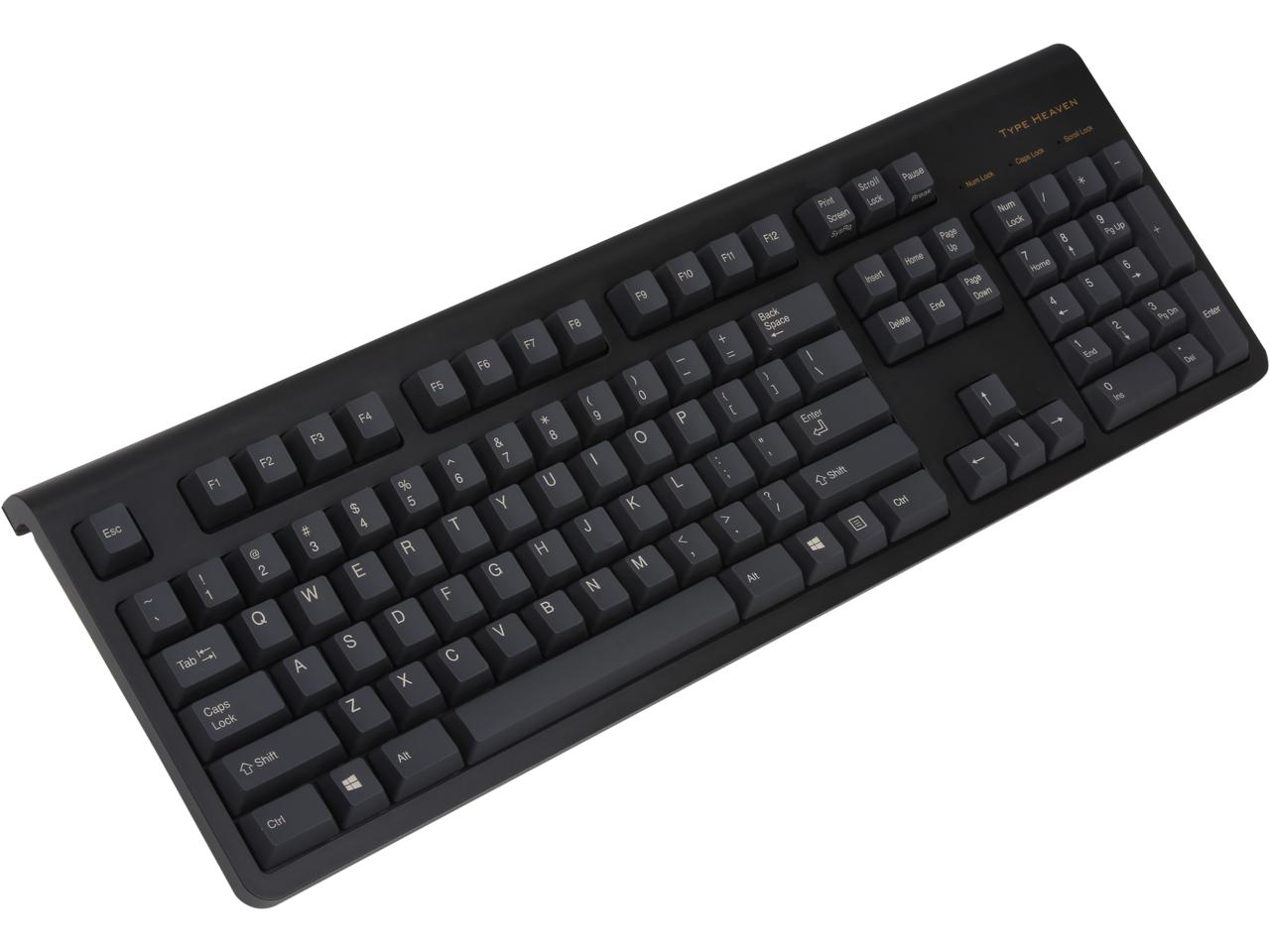
Topre switches aren't too popular this side of the Pacific, simply like Spinal Tap, they're really large in Japan. Acting equally kind of a midpoint between membrane and mechanical keys, Topres are unusual prophylactic dome switches that come in interconnected sheets. It'southward non exactly a membrane pattern, merely not truly mechanical either. Notwithstanding, Topre keys are tranquility and actuate at only v g, making them worth because if yous desire the lightest touch possible in something a little more than durable than a membrane peripheral.
Greetech and Kailh
A lot of second-tier peripheral companies continue costs low by using Greetech or Kailh switches instead of Cherry MXs. Greetech and Kailh are both inexpensive Chinese switch brands. I hesitate to say "cheap," because both brands experience fine; they're merely non premium products. Greetech and Kailh switches generally imitate Cherry colors and styles, meaning that a Greetech Red volition feel like a Cherry MX Red, a Kailh Chocolate-brown will feel similar a Cherry MX Brown and so along.
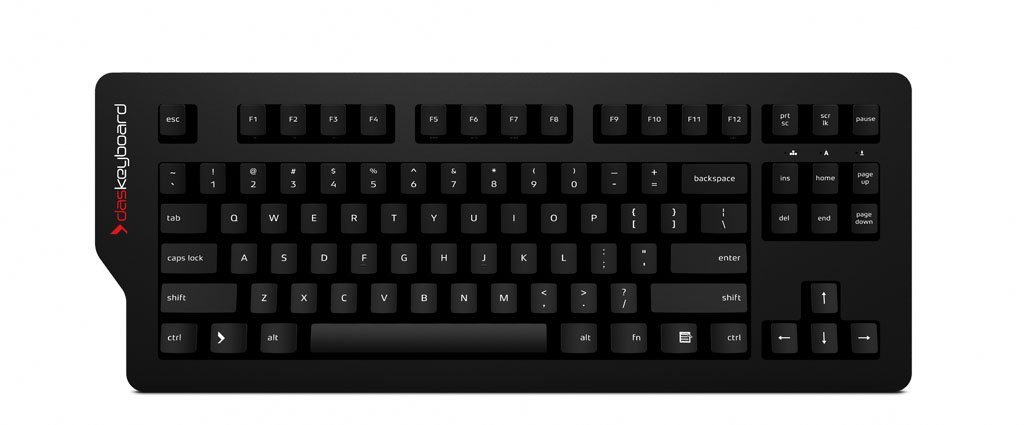
If you have the money, I'd recommend going for a peripheral with authentic Cherry MX switches. All the same, if that'south not an option for whatever reason (Ruby-red switches are ofttimes in short supply, among other things), Greetech and Kailh make passable replacements.
Bottom line
The kind of switches you'll want depends on whether you lot want a linear or tactile experience, and whether you prefer placidity or noisy keys. Knowing those two factors will reduce your potential keyboard choices from dozens downwardly to just a handful.
If possible, buy a keyboard with Blood-red MX switches. The gap betwixt Cherries and competing switches is not as wide every bit information technology was even a few years ago, just there'southward a reason Cherry is still the all-time-known make on the market.
Mechanical keyboards are expensive, but unless you insist on having the very latest gadgets, you lot tin often relieve a few (dozen) bucks by ownership a model that'south been recently replaced. Since gaming companies tend to refresh their keyboard lineups every two years or and then, you can go some pretty practiced deals on peripherals that have all kinds of switches if y'all're willing to forego features like RGB lighting and fancy software.

Source: https://www.tomsguide.com/us/mechanical-keyboard-switches,review-4154.html
Posted by: nashmune1936.blogspot.com
0 Response to "A guide to mechanical keyboard switches"
Post a Comment